Planned Maintenance
Schedule recurring interventions and structural inspections before failure dictates the day.
Keep production equipment visible, plan preventive work, control breakdowns, connect materials, capture downtime at important Production Unit bottlenecks and support OEE calculation through production handover information.
dMS gives manufacturing maintenance teams a controlled path from equipment and maintenance plans through work orders, material use, completion feedback and history.
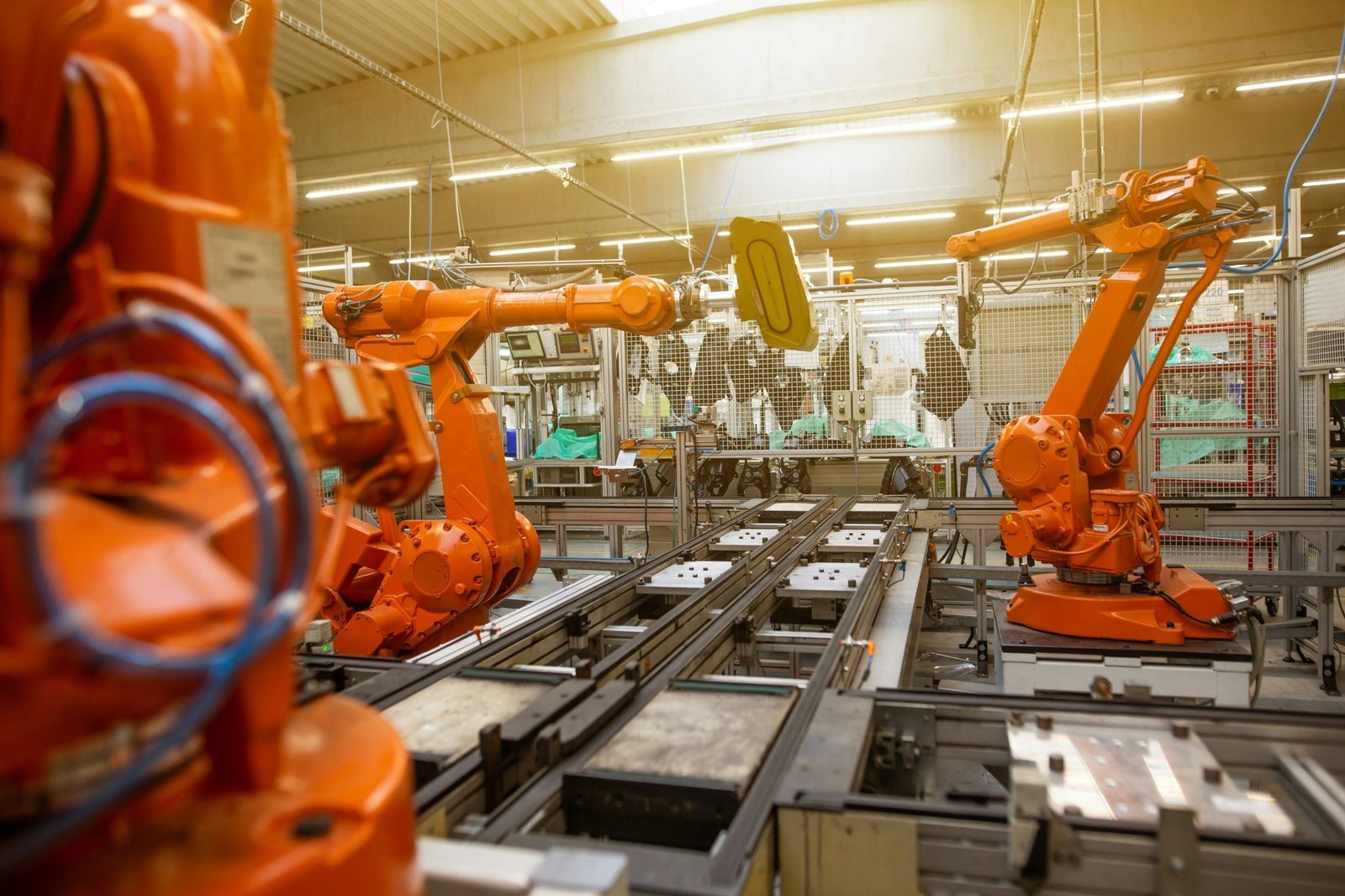
These controls connect engineering maintenance with the operational information required to act quickly and review performance.
Schedule recurring interventions and structural inspections before failure dictates the day.
Capture corrective work and retain the findings and action against the equipment.
Connect material demand, stock and issues to the work that needs the item.
Record stoppage reasons and handover values to support OEE visibility per Production Unit.
Manage incidents, assessments, permits and compliance information.
Control documents, non-conformance, complaints and corrective action.
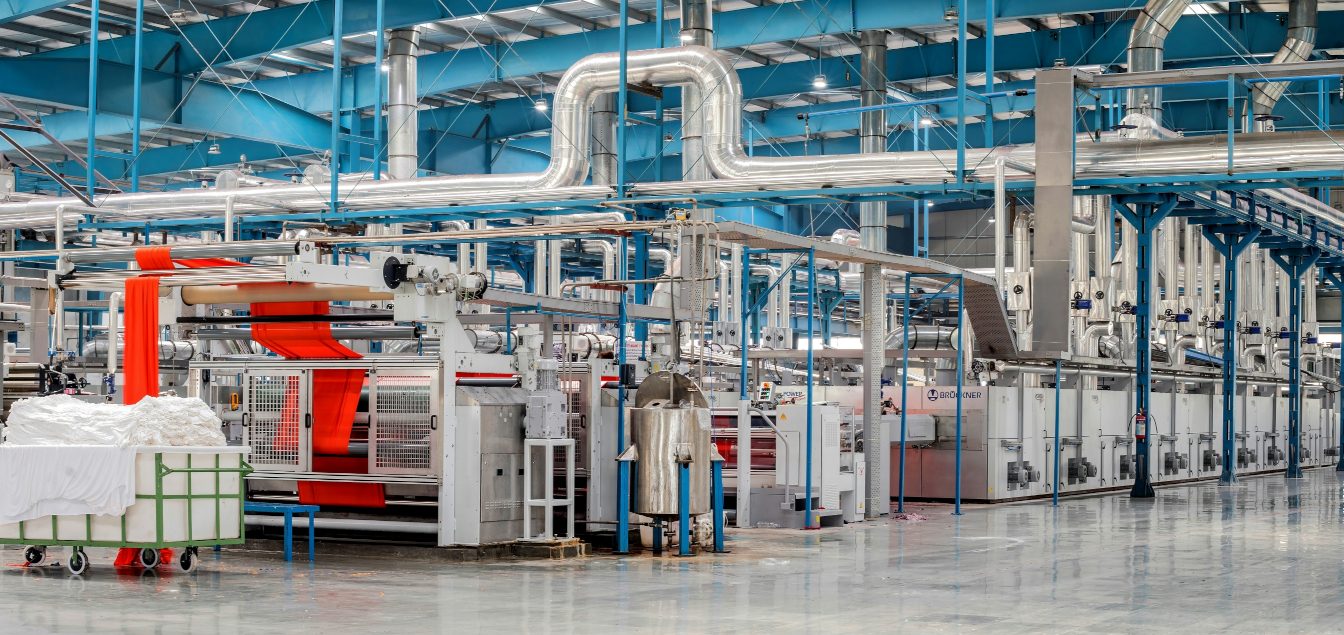
Capture the reason for a stoppage close to the event, retain production handover information and keep the current shift visible to the people who need to respond.
Downtime capture combined with production handover values gives production teams a practical basis for Overall Equipment Effectiveness (OEE) reporting per unit.
Use recorded stoppages and shift time to understand when the Production Unit was available to run.
Use production handover quantities and operating context to compare achieved performance with the configured expectation.
Use accepted and rejected production values where captured to represent the quality component of OEE.
The goal is not to force every discipline into one screen. It is to keep the relevant equipment, work, material and operational context connected.
Assets, plans, work orders, history and reliability review.
Requisitions, receiving, stores, stock and bills of material.
Samples, specifications, results, trends and reports.
Training profiles, histories, outstanding requirements and examinations.
Manufacturing sites can extend dMS into Health and Safety and Quality Management, keeping incident, assessment, document and non-conformance controls within the same platform family.
Incidents, assessments, permits, appointments and environmental controls.
Document control, non-conformance, audits, complaints and corrective action.
Review the production assets, bottlenecks, maintenance plans and connected operational controls that matter to the site.